01
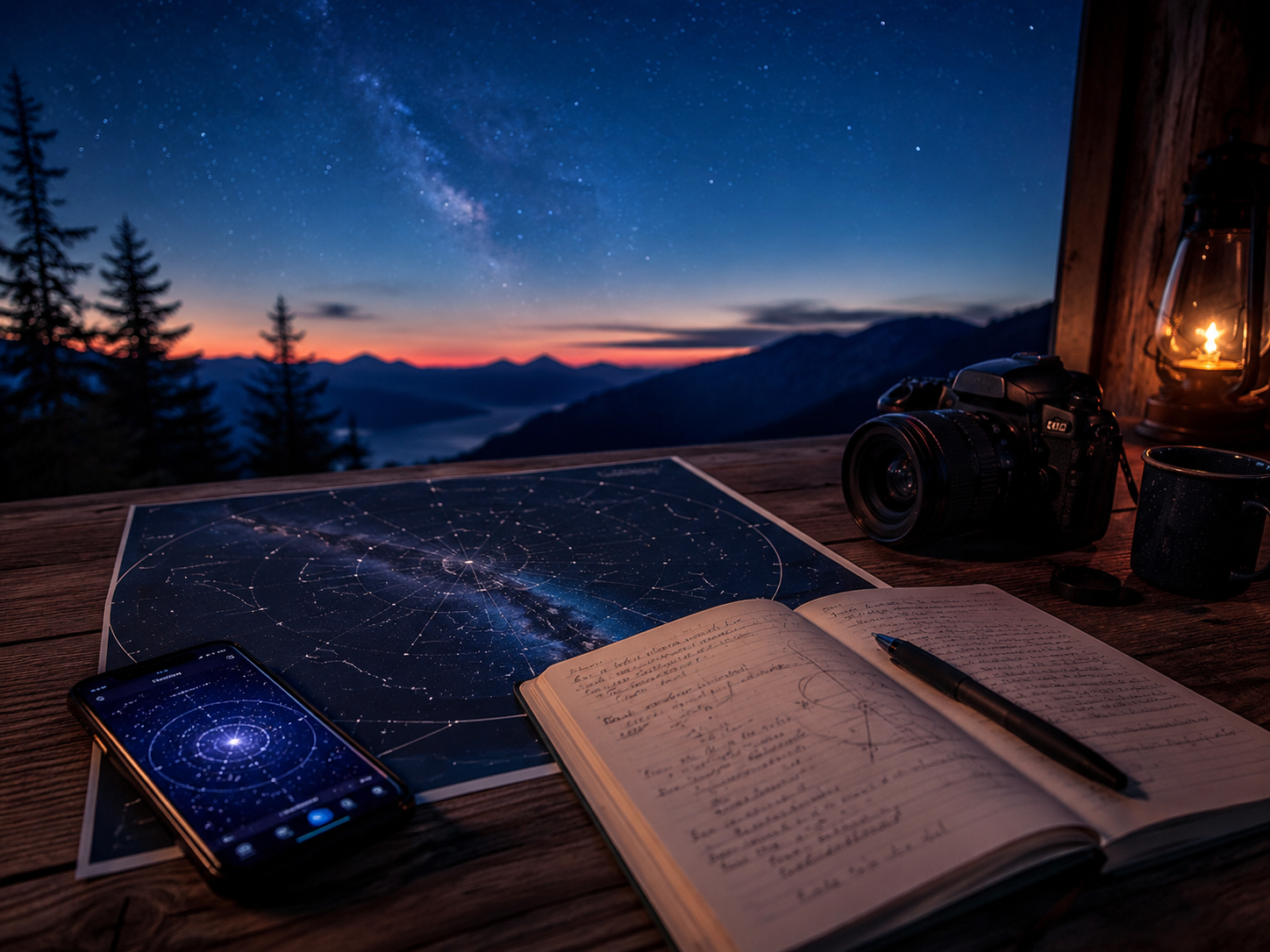
Home planning with a star map
Planning the shot
Check the Moon, weather, light pollution and your target before you ever step outside.
A complete beginner-friendly astrophotography system for capturing the Moon, stars, Milky Way and your first deep-sky objects — with clear settings, simple workflows and practical checklists.
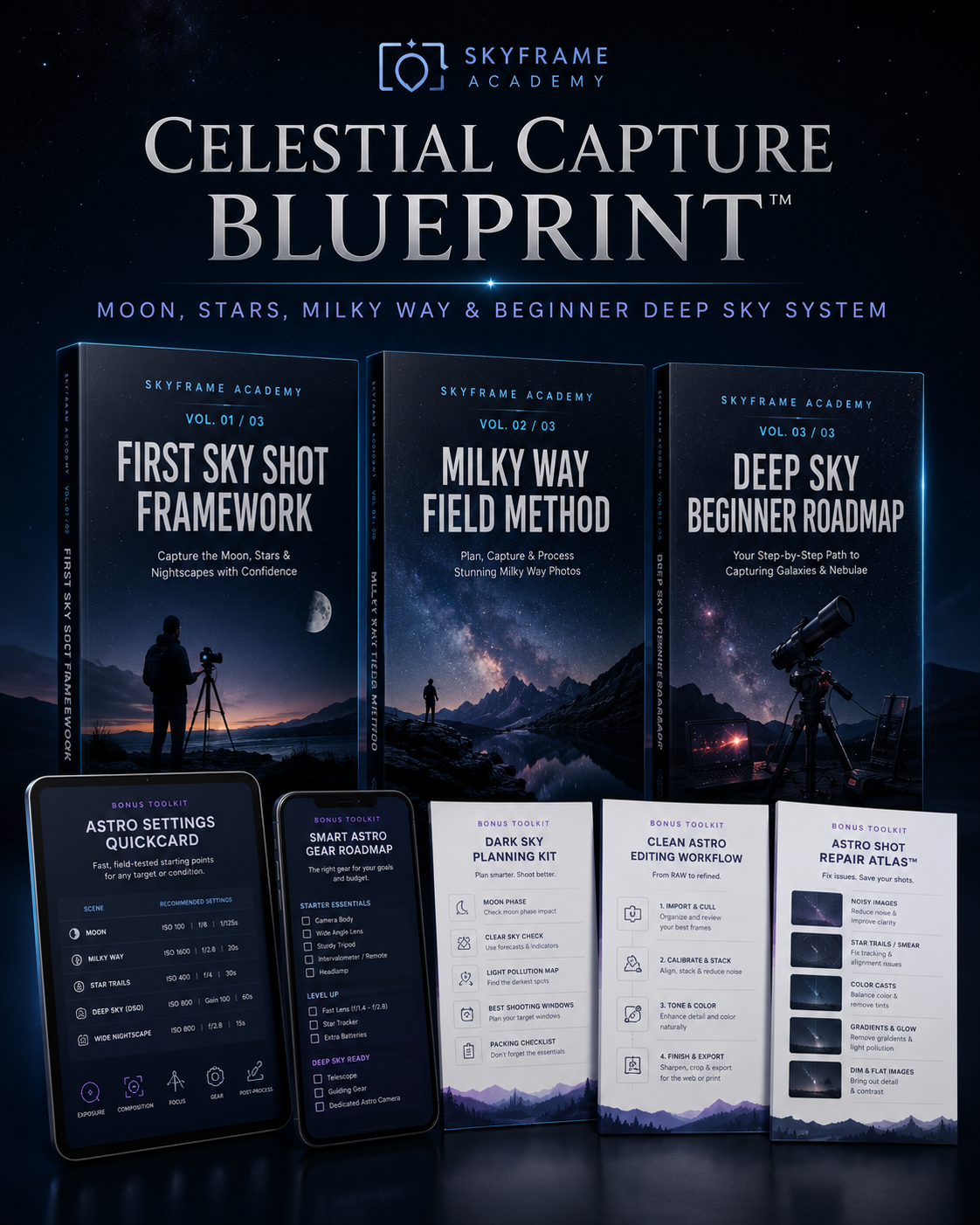
Every astrophotographer remembers that first moment: seeing the Milky Way appear on the camera screen, full of detail the eye could never fully see. That moment is closer than it feels — and it starts with one guided night under the stars.
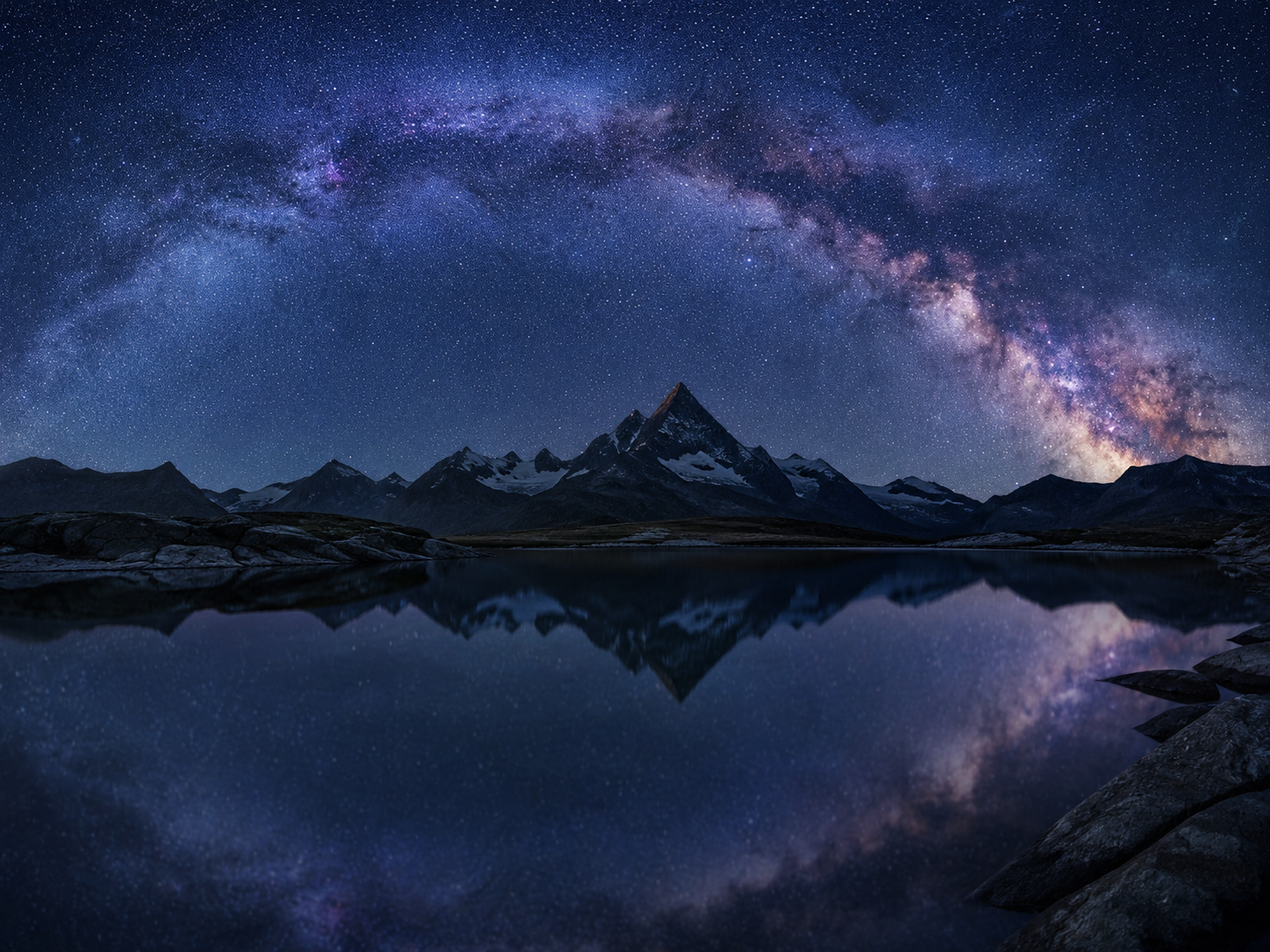
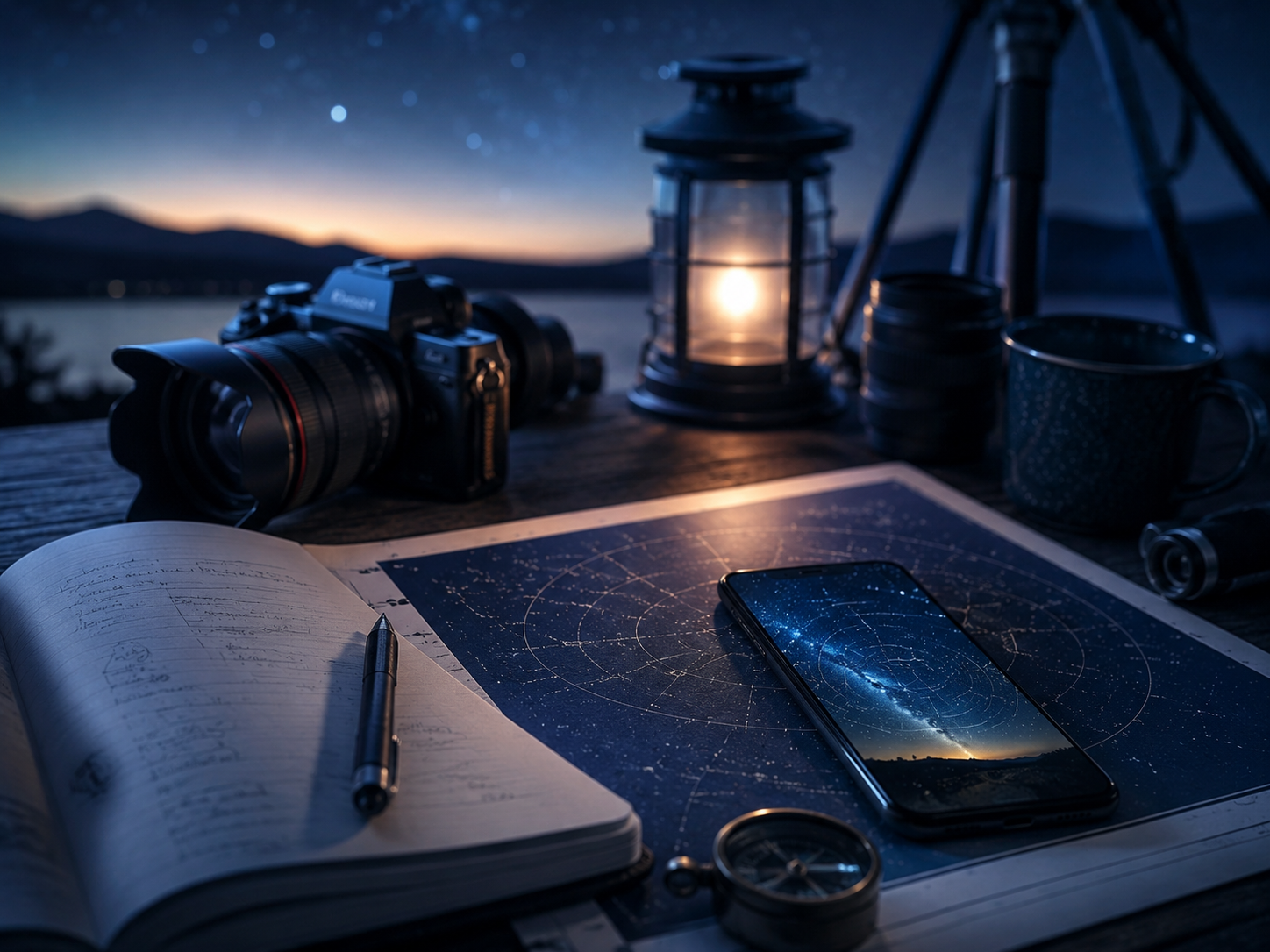
A strong night sky photo is created before you press the shutter — and refined after the shoot is over. These are the five stages where beginners usually make progress or get stuck, and the system walks you through each one so nothing depends on guesswork.
Check the Moon, weather, light pollution and your target before you ever step outside.
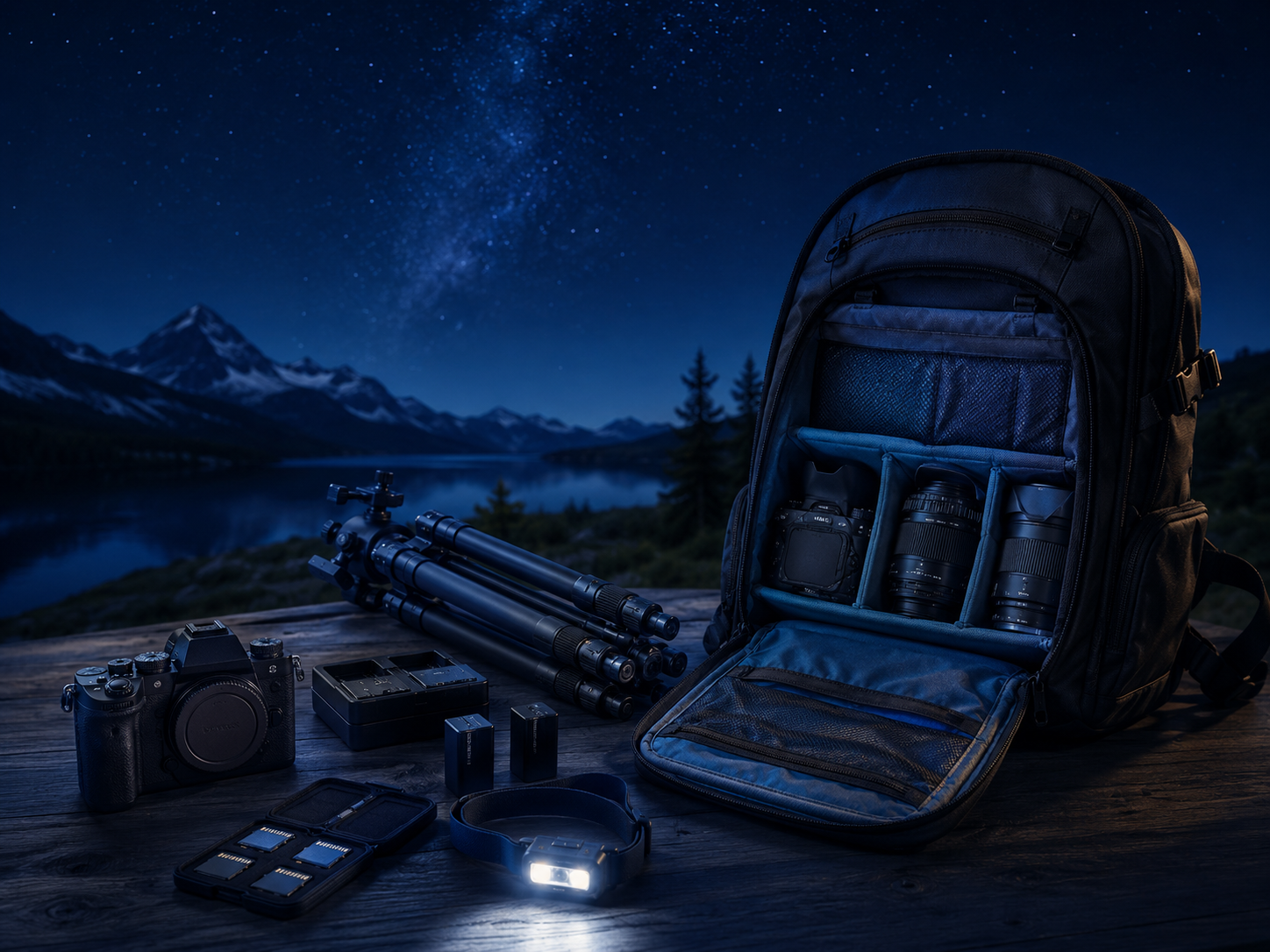
Know what to bring — and what to leave behind — so a clear night does not turn into wasted time.
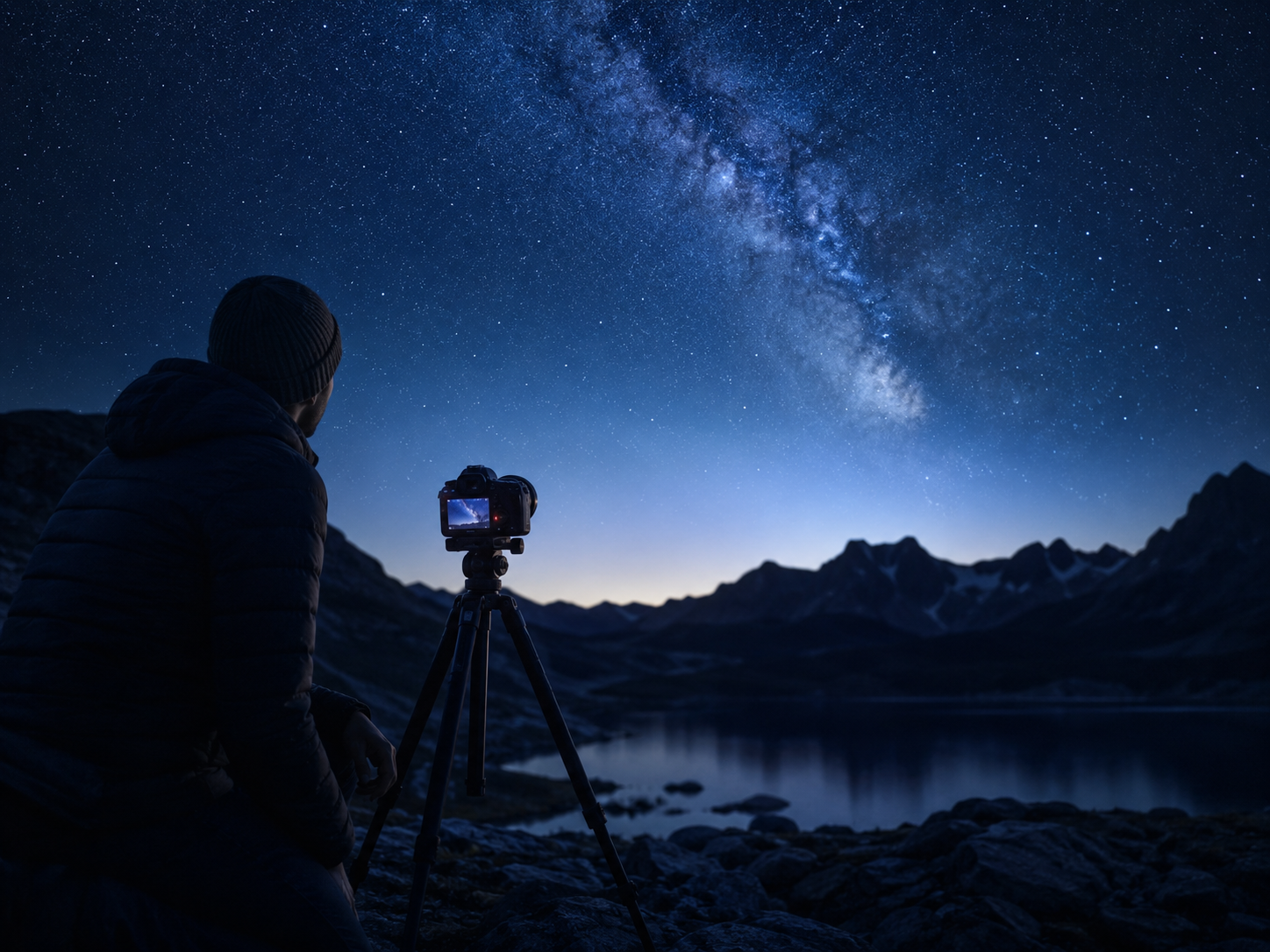
Follow a calm, repeatable field workflow instead of trying to figure everything out in the dark.
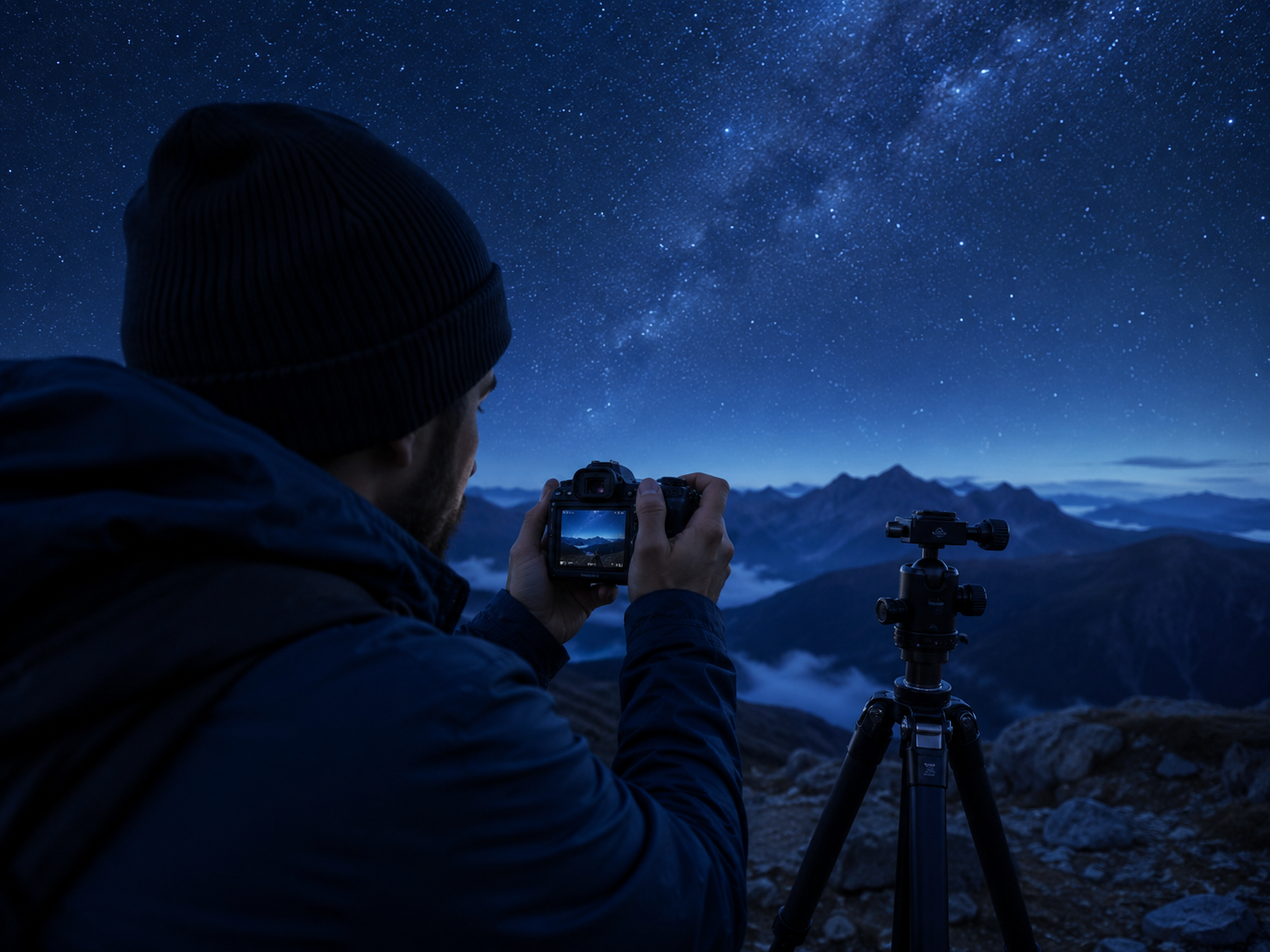
Catch blur, missed focus and exposure issues on location, while you still have time to correct them.
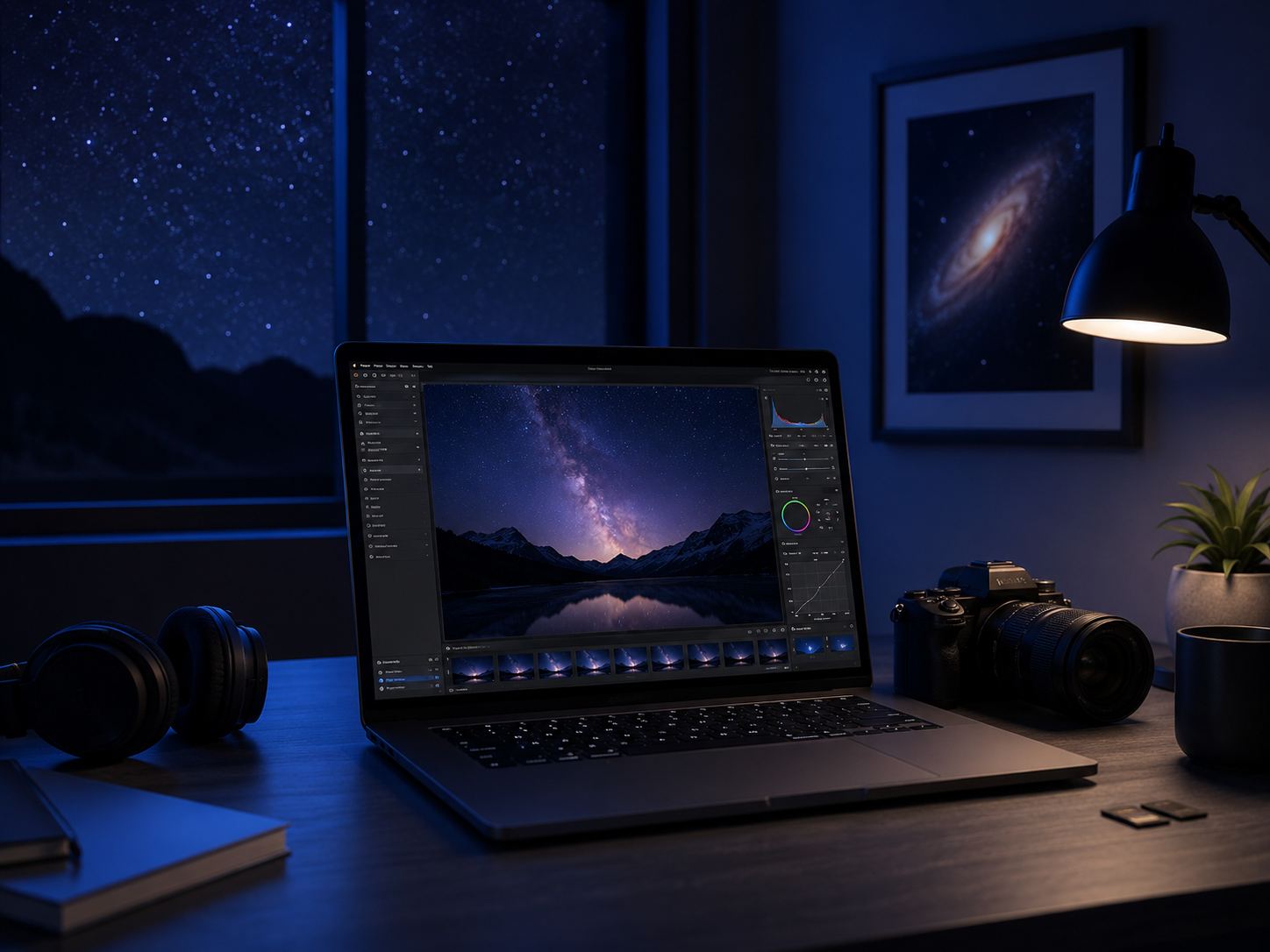
Reveal the detail already inside your files without making the final image look fake or overprocessed.
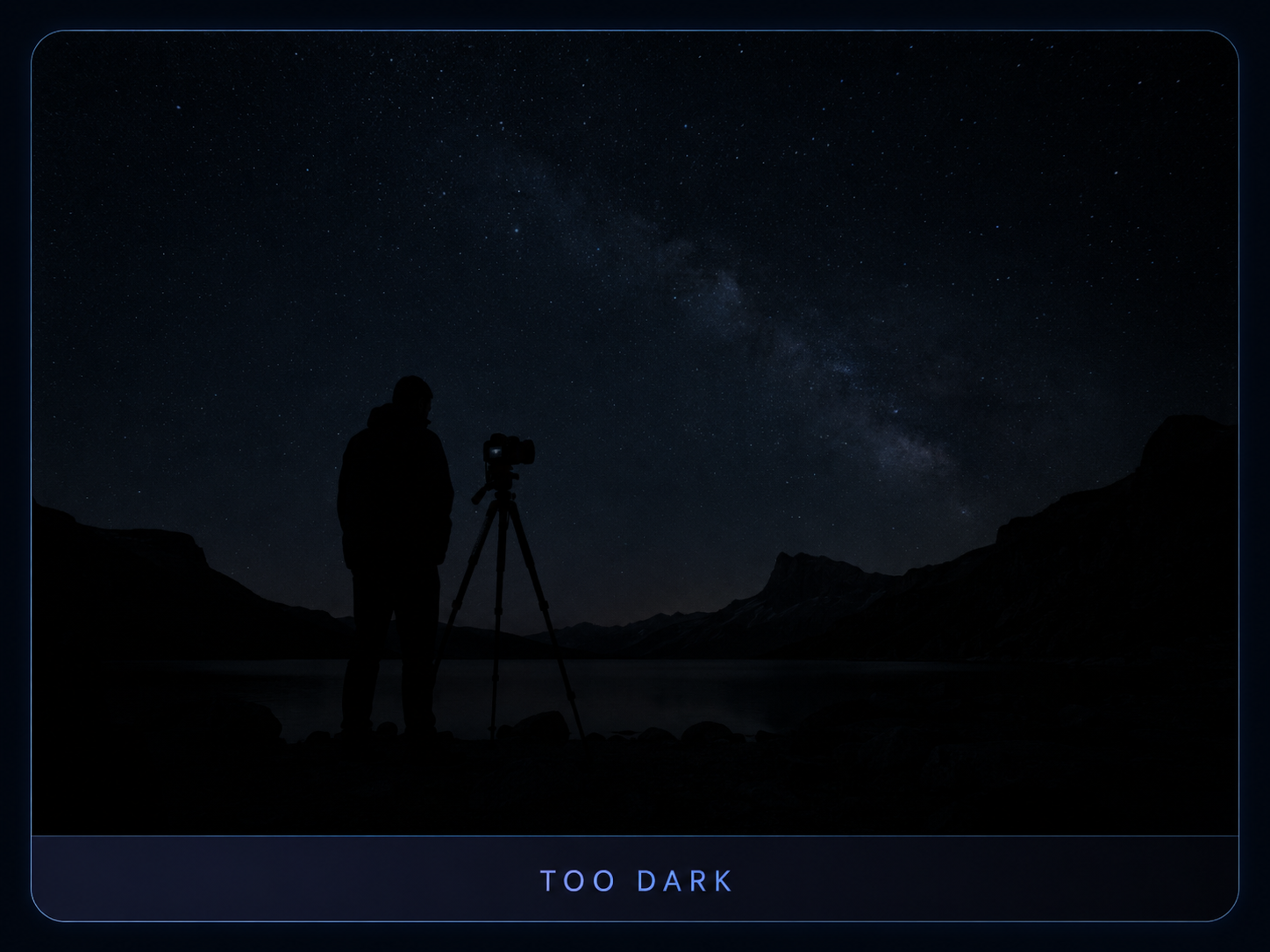
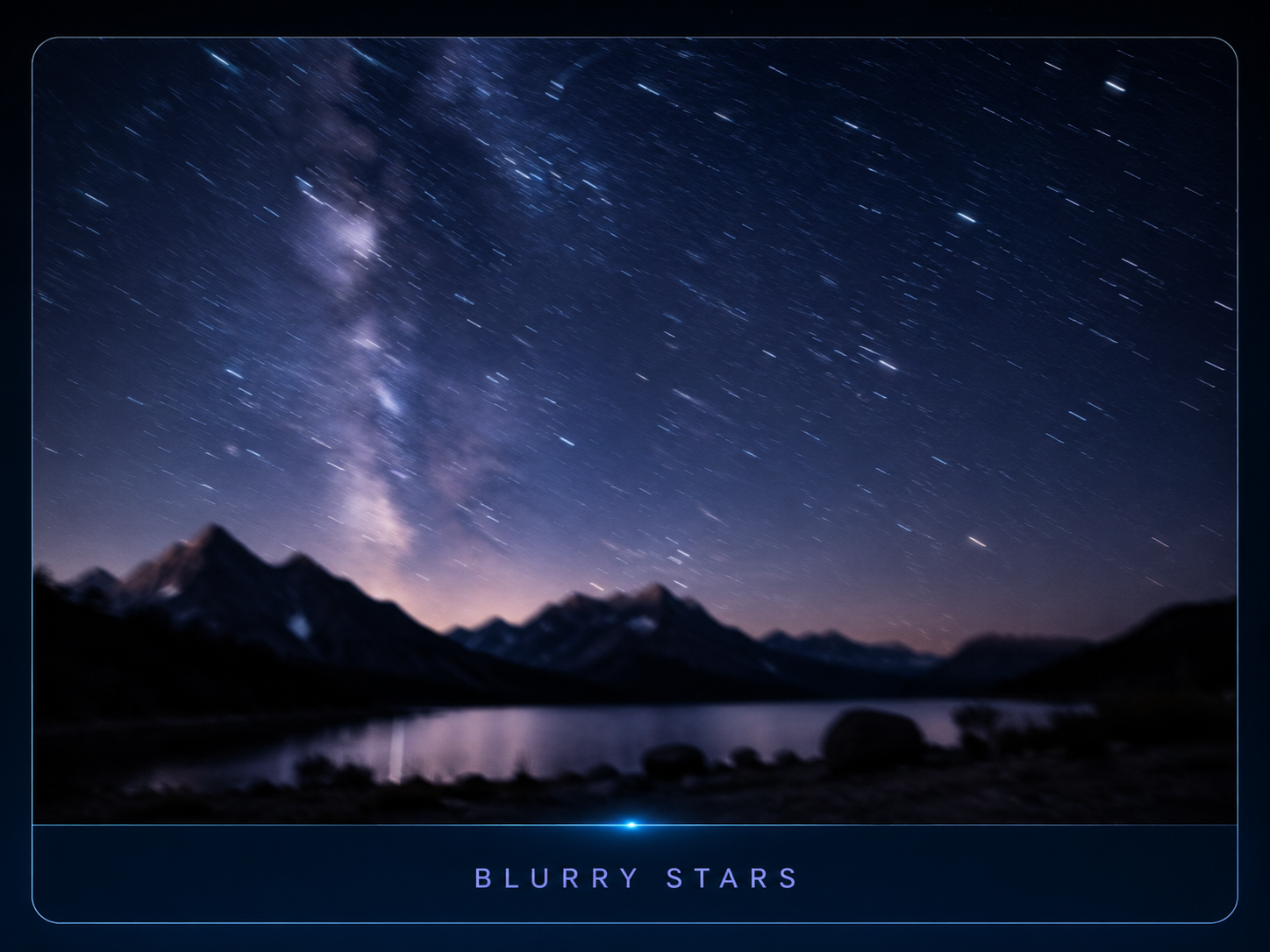
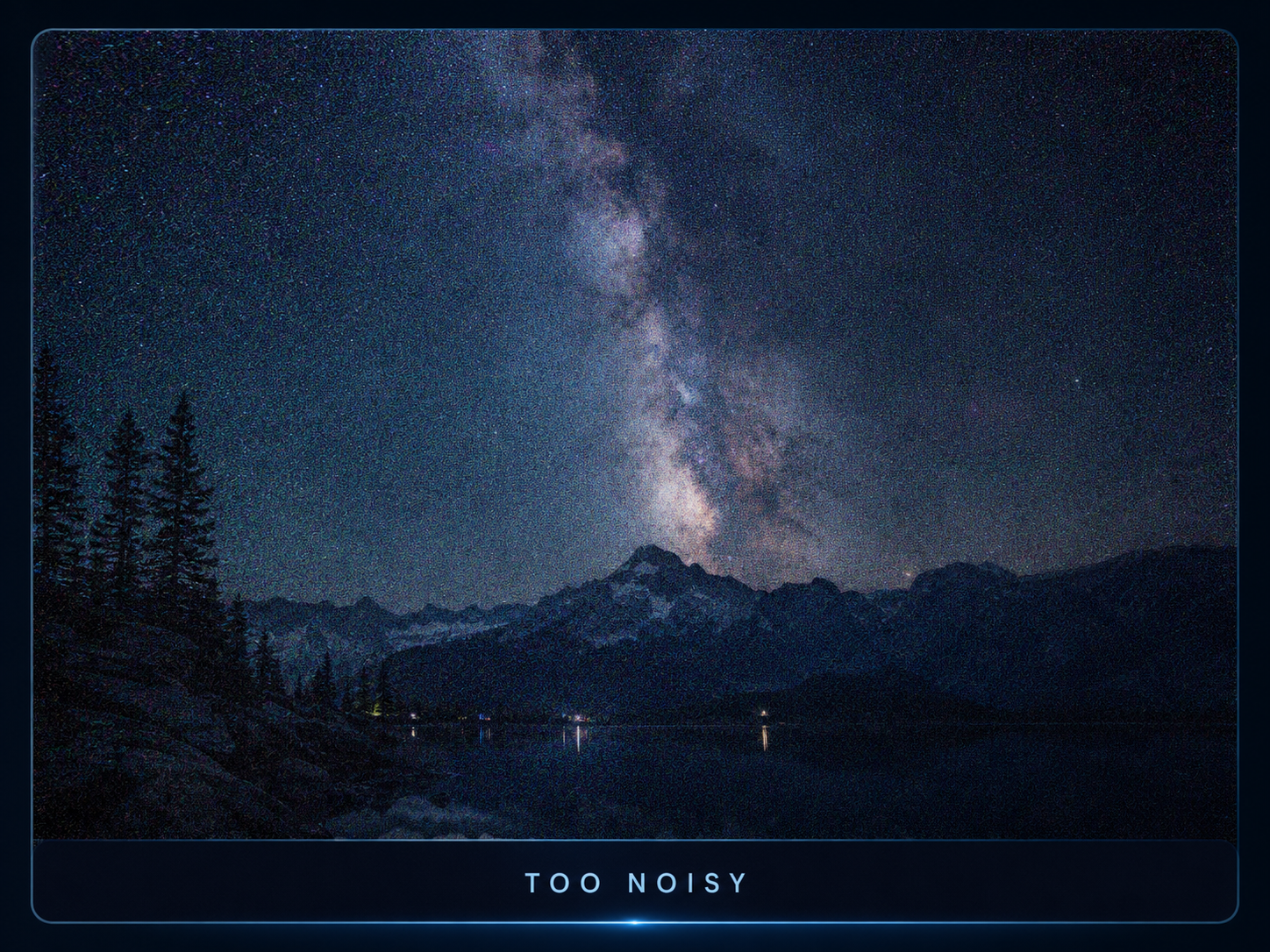
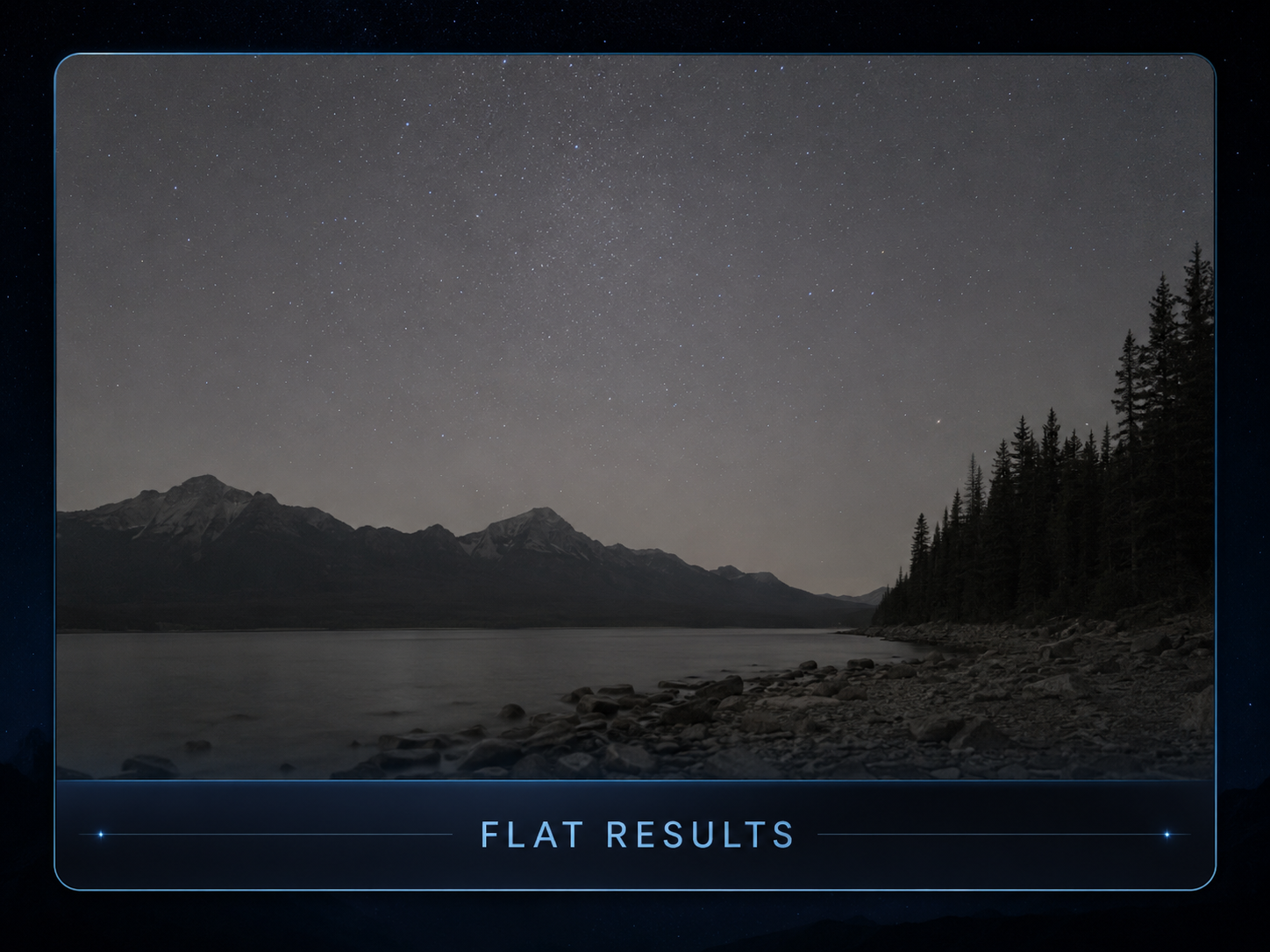
Night sky photography looks magical from the outside. Then you try it and end up with dark frames, stretched stars, missed focus, noisy skies and a pile of conflicting gear advice.
That does not mean you are not capable. It usually means you have never had a clear system that removes the guesswork.
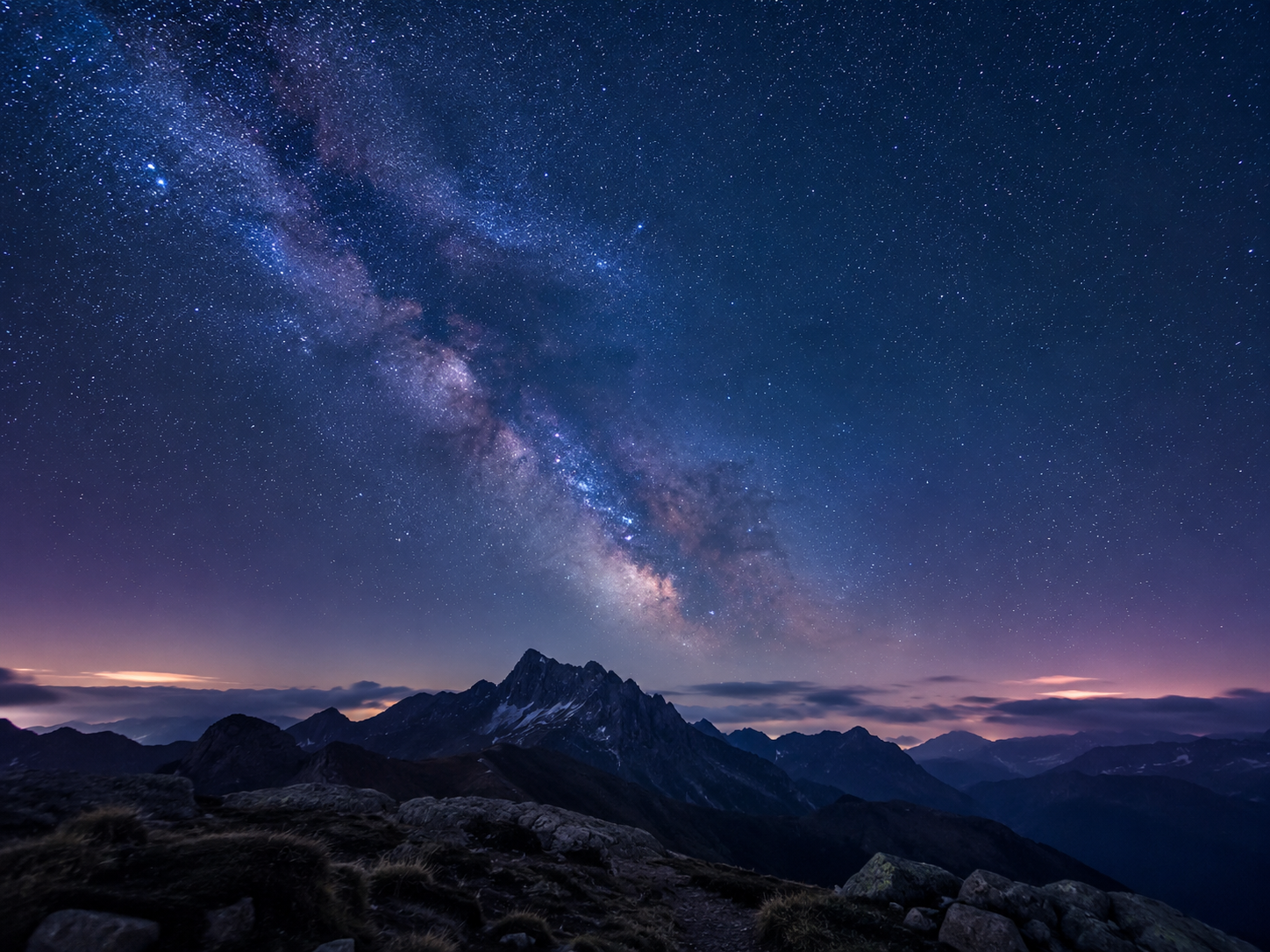
Each volume handles a different stage of the journey, so the trilogy works like one clear progression — not a random bundle of separate ebooks.
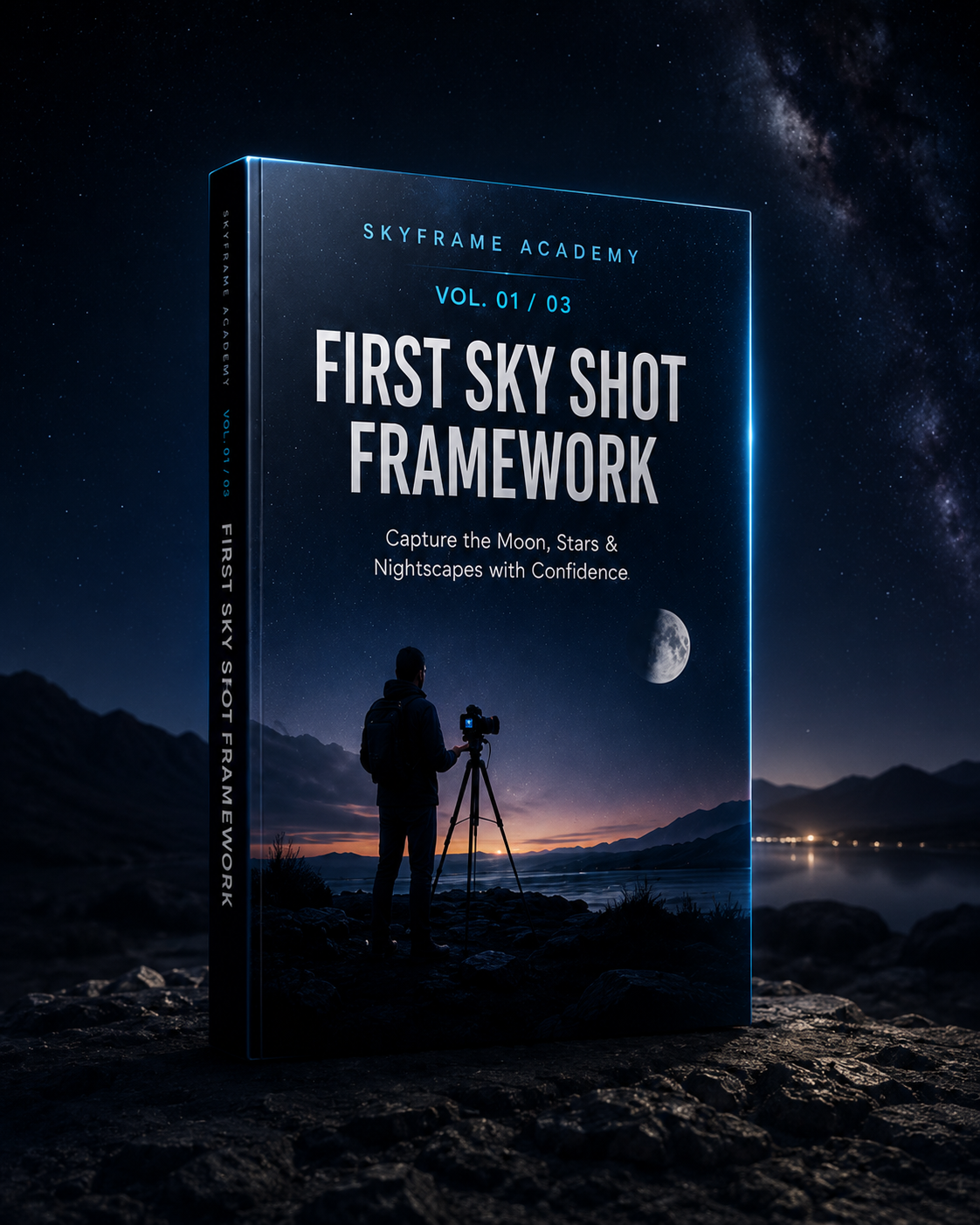
Build the foundation first. Learn what your current gear can capture, how to use manual settings, how to focus in the dark and how to shoot your first Moon, star and night sky images.
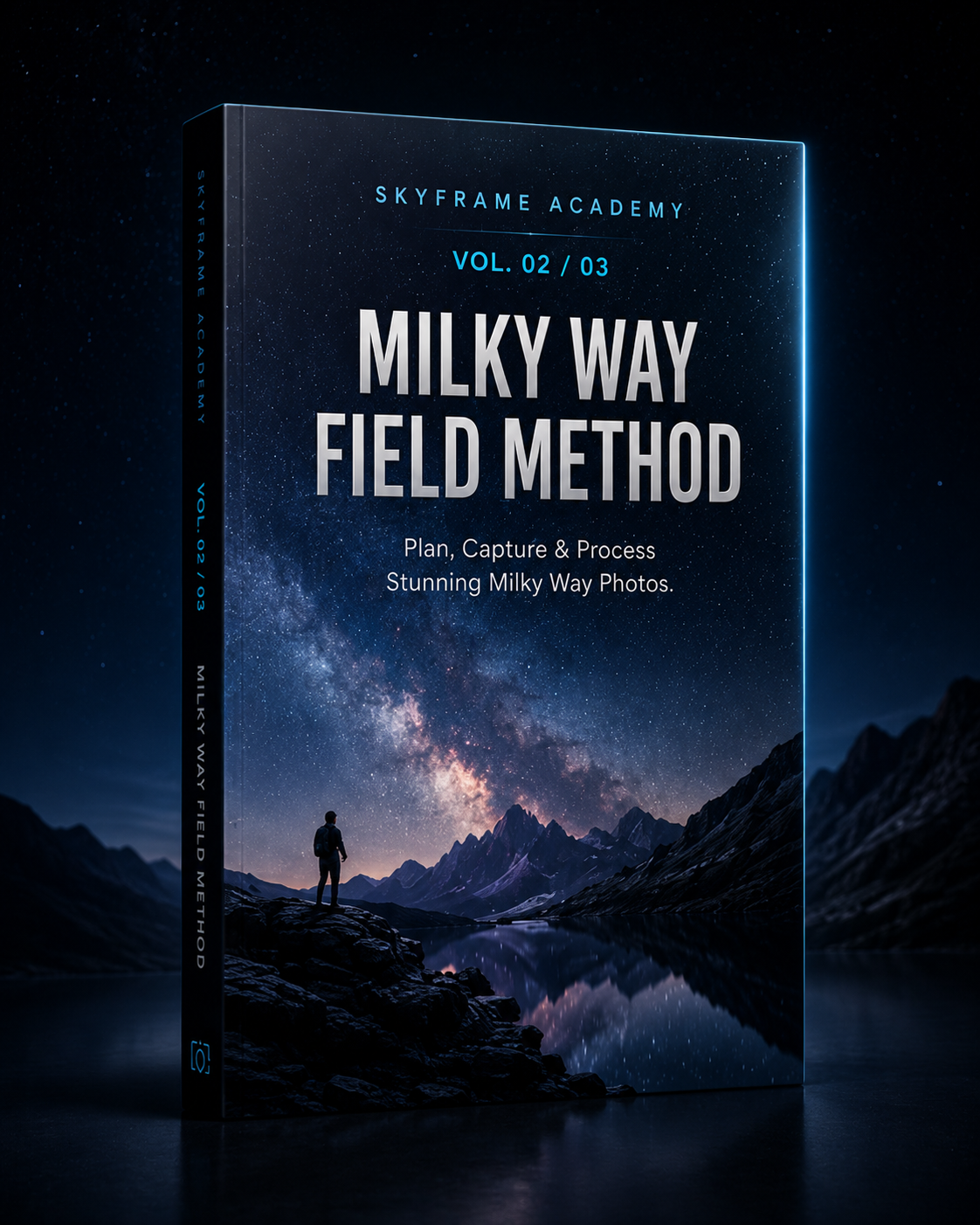
Move from basic sky photos into planned Milky Way landscapes. Learn how to choose locations, understand moon phases, work around light pollution, compose stronger images and edit naturally.
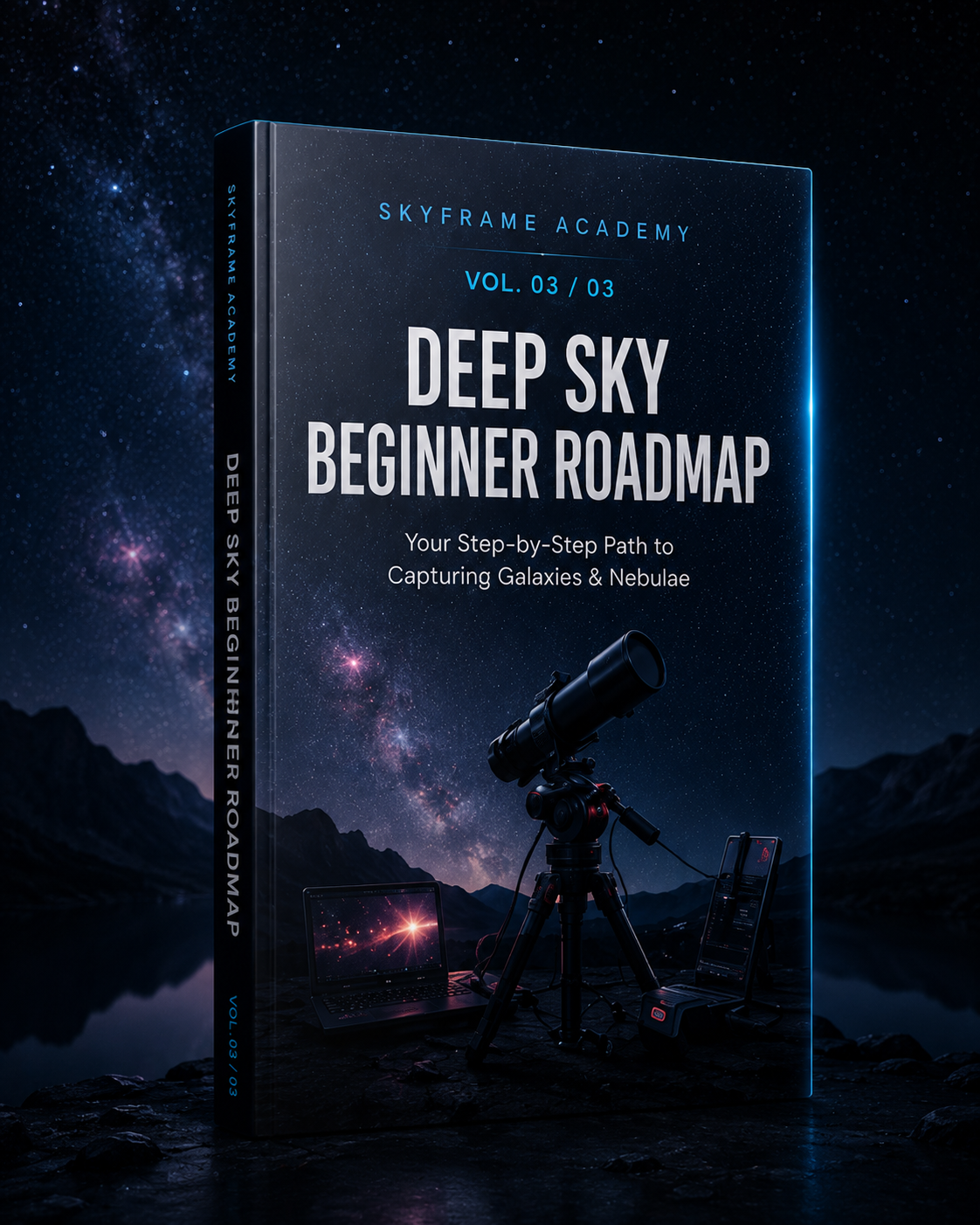
Take your first step beyond landscapes. Understand smart telescopes, star trackers, beginner deep-sky targets, stacking, calibration frames and how to choose your next gear path without overwhelm.

You do not need expensive gear to begin. Follow one calm upgrade path and spend only when the upgrade actually makes sense.
Start with your smartphone, DSLR or mirrorless and understand what it can truly do first.
A stable setup is the first upgrade that improves almost every beginner shot.
Master focus before adding complexity. It fixes more beginner failures than most gear purchases.
Choose your next lens based on your goals, not hype or random recommendation lists.
Once you understand exposure limits, a tracker becomes a much more useful next step.
Modern beginner-friendly deep-sky tools can make the learning curve easier when you are ready.
Move into advanced gear only once your basics, workflow and goals are clear.
A beginner-friendly system for people who want clear direction, practical settings and one simple roadmap instead of scattered tutorials.
you are new to astrophotography and not sure where to begin
your night sky photos keep turning out dark, blurry or noisy
you want clear settings and simple workflows you can repeat
you want to photograph the Moon, stars, Milky Way and your first deep-sky objects
you would rather follow one roadmap than dig through scattered tutorials
you want to avoid spending money on the wrong gear
you already work with advanced deep-sky processing
you expect observatory-level results right away
you want a highly technical scientific textbook
you are hoping for “NASA photos overnight”
Clear roadmap. Honest expectations. Better first results.
Astrophotography depends on things no guide can fully control. We will not pretend otherwise — instead, the System helps you get right everything that is actually in your hands.
Solar and eclipse photography require certified solar filters and strict safety precautions. Never point cameras, binoculars or telescopes at the Sun without proper protection.
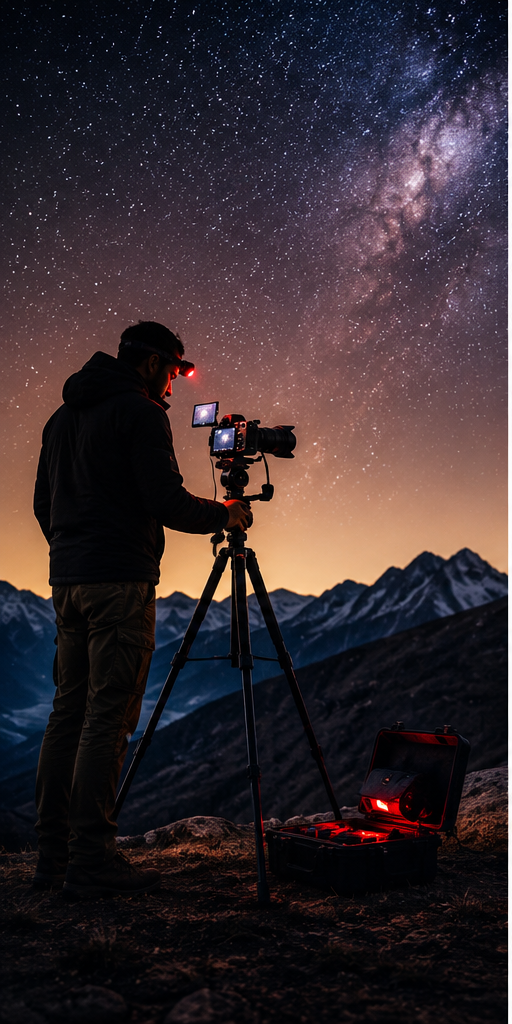
Real feedback from people who picked up a camera, pointed it at the night sky and finally started seeing progress.
Really useful if you are starting from zero. I never fully understood why the stars in my photos kept coming out slightly blurry. After the exposure-time section, I finally saw what I was doing wrong. I would especially recommend it to anyone with a DSLR or mirrorless camera who wants to start without getting lost in endless YouTube videos.
★★★★★ Trustpilot
I was basically starting from zero. I had owned a mirrorless camera for a while, but I always used it in automatic mode, so at night I had no idea what to do. My first photos were either completely dark or blurry. With this system, I finally understood why that kept happening. The part about focusing at night was already very valuable for me, because that was the mistake I kept repeating.
I also liked the Moon photography section, because the Moon is easy to find and gives you a quick sense of progress. I have not gone through everything yet, especially the deep-sky part, which still feels a bit advanced for me. But now I finally have a clear direction. As a first approach to astrophotography, I found it genuinely helpful.
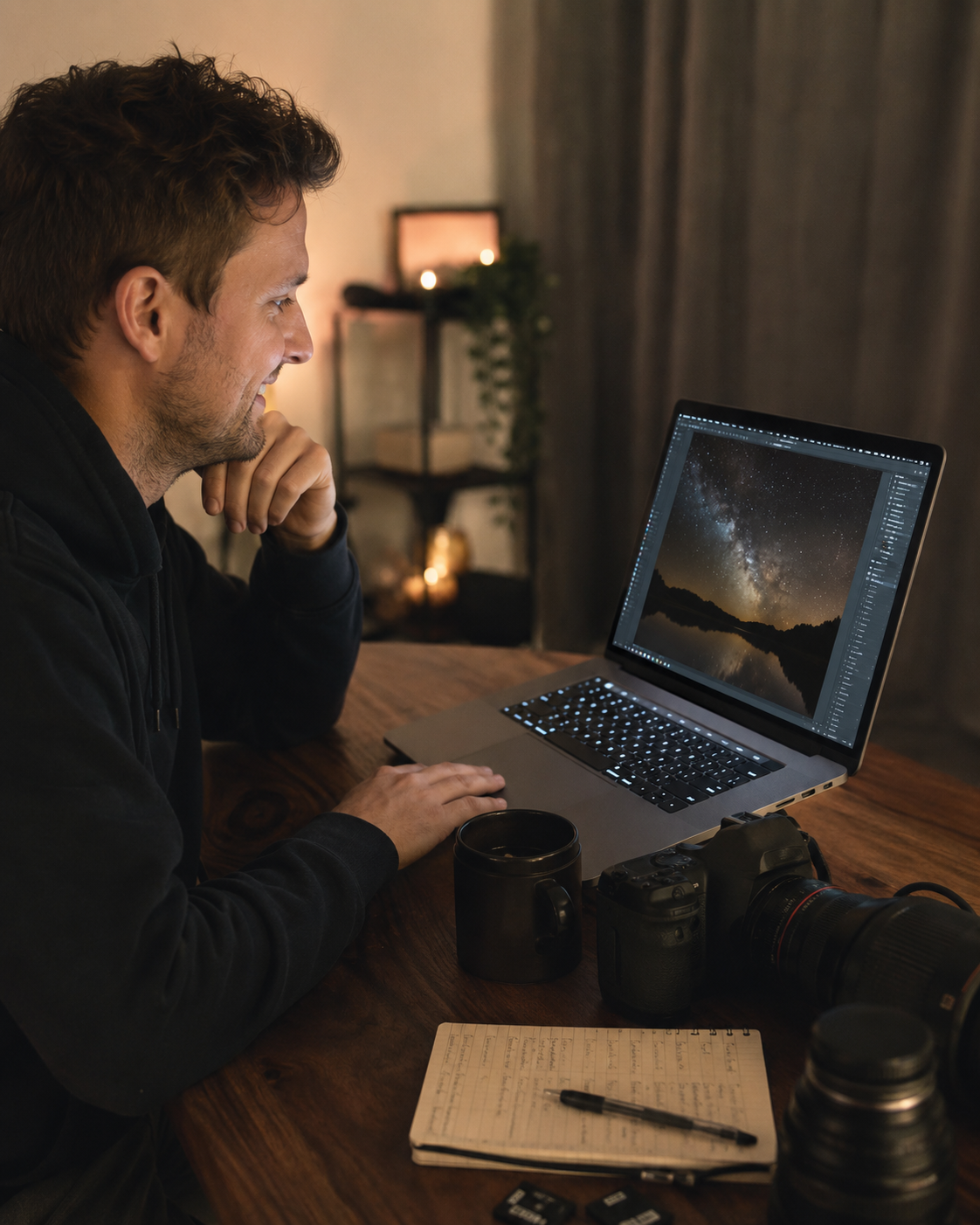
Good product for getting started. The biggest benefit for me was organization. I had watched lots of YouTube tutorials, but everyone seemed to say something different and I kept getting confused. Here the path is much more linear: first you understand your camera, then you try easier subjects, then you move toward harder ones. For a beginner, that makes everything easier.
★★★★★ Trustpilot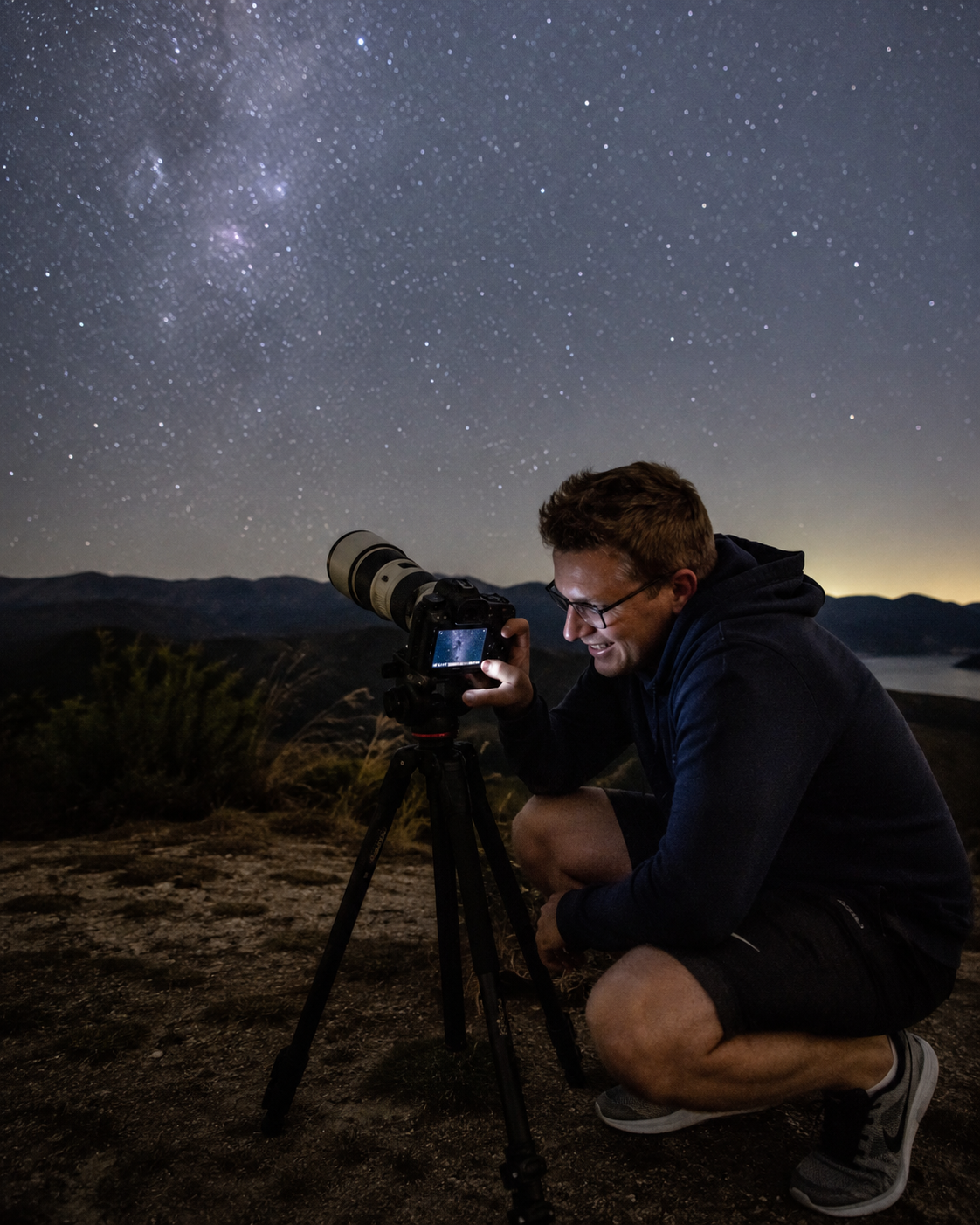
As a complete beginner, I liked that it does not assume you already know everything. Before this, I would look at the night sky and honestly had no idea where to start with my camera. After the first lessons, I was finally able to take a decent photo of the Moon, which already felt like a big win. Everything is explained simply, without unnecessary jargon.
★★★★★ Trustpilot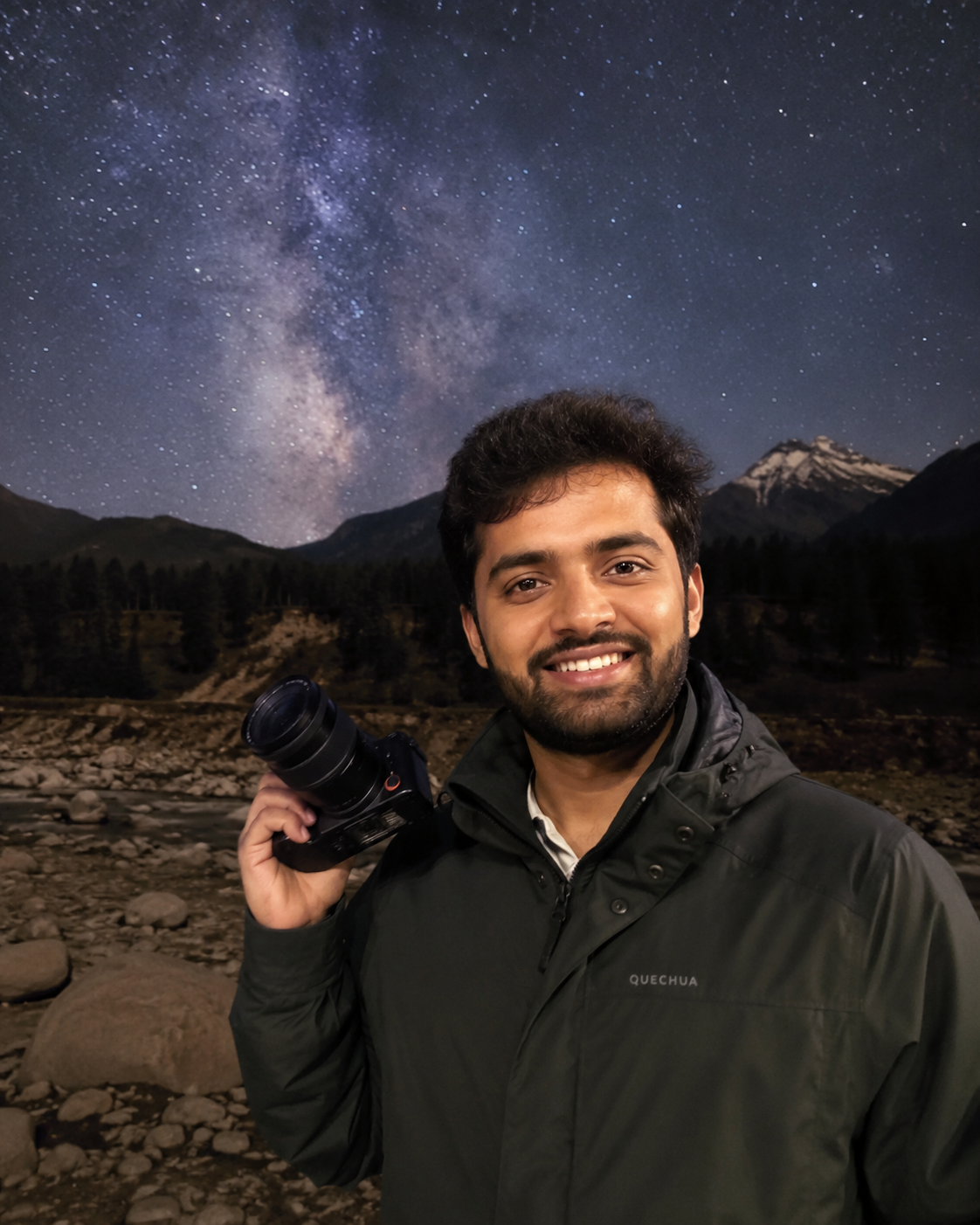
What convinced me most was the structure. It does not jump straight into complicated topics. It starts with the Moon, stars and basic camera settings, then gradually moves into the Milky Way and first deep-sky objects. For someone like me, who had never done astrophotography before, having a clear path was much more helpful than random bits of information.
I also appreciated that it does not push you to buy new gear immediately. It first helps you understand how to get more out of what you already own. I have an entry-level camera with a basic lens, and I was still able to get better results than before.
It’s not magic. You still have to go outside, practice and make mistakes, but it saves you from making a lot of the obvious beginner errors.
Have questions? We’re here to help.
No. The system begins with what many beginners already own: a smartphone, DSLR or mirrorless camera, a tripod and simple settings.
Telescopes and smart telescopes come later in the progression, once you are ready for them.
Yes. It is made for people who feel confused by settings, gear, planning and technical terms.
You do not need prior experience — just the willingness to go outside and try.
Yes. Smartphone astrophotography has real limits, but the beginner sections show what you can realistically capture with one, how to get the most out of it and when it makes sense to upgrade.
Yes, as long as expectations are realistic. The Moon, planets and brighter stars can work even from bright city skies.
For the Milky Way and deep-sky objects, darker skies make a big difference — and the system shows you how to find accessible dark spots nearby and plan around them.
It depends on your gear and conditions, but your first Moon shot can happen on your first clear night.
The Milky Way and deep-sky require more planning and practice, and the system is designed to move you there step by step instead of through guesswork.
Yes. Volume 02 focuses on Milky Way and nightscape photography — planning, location, moon phases, composition, shooting and editing.
Volume 03 introduces beginner deep-sky work: smart telescopes, star trackers, first targets, stacking and basic processing.
It also includes a safety-first eclipse mini-guide, because solar photography always requires proper certified solar filters.
No. The system teaches beginner-friendly editing principles you can apply in Lightroom, Photoshop or more accessible alternatives.
You do not need expensive software to get started.
It is a digital product — you get instant access to all three volumes right after purchase, with nothing shipped and no waiting.
Results themselves are not guaranteed: they depend on weather, location, sky darkness, gear and practice.
What you get is a clear beginner roadmap, the right gear-buying order and help avoiding the common mistakes that make people quit.
Still have questions?
Email us at skyframeacademy@outlook.com — we usually respond within 24 hours.